


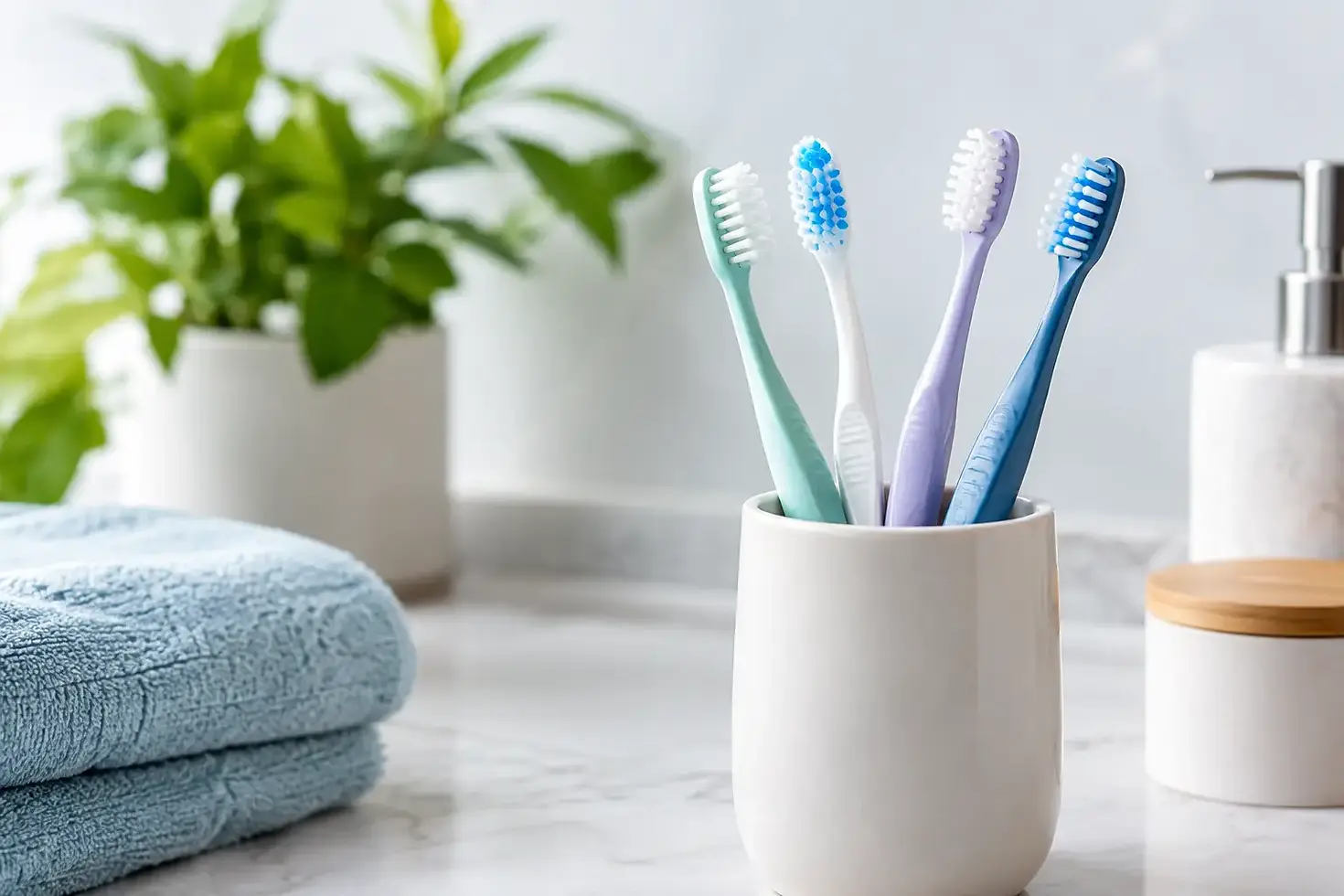
Best Toothbrushes for Sensitive Teeth in Australia
A toothbrush that leaves your teeth feeling sharp, zingy or sore is not doing its job properly. The best toothbrushes for sensitive teeth clean effectively while treating your enamel and gums with care. For most people, the answer is not a harder brush or more vigorous scrubbing. It is a soft brush head, controlled pressure and a technique that removes plaque without wearing away vulnerable surfaces.
Tooth sensitivity can make a cold drink, a sweet snack or even a breath of cool air uncomfortable. While the right toothbrush can make daily brushing much more comfortable, ongoing sensitivity deserves professional attention. It may be linked to gum recession, enamel wear, tooth decay, cracks, an old filling or clenching and grinding - concerns that are best assessed early.
What makes a toothbrush suitable for sensitive teeth?
The key feature is softness. Look for a toothbrush labelled soft or extra soft, with fine, rounded filaments. These bristles are designed to sweep plaque from the teeth and along the gumline without the abrasive feel of medium or hard bristles.
Hard bristles can feel satisfying because they create a strong scrubbing sensation, but clean teeth do not require force. Repeated aggressive brushing may contribute to gum recession and abrasion near the neck of the tooth. This can expose dentine, the less protected layer beneath enamel, and make sensitivity worse.
Head size matters too. A small or compact head reaches behind the back molars and around crowded teeth more easily. If you have a sensitive area, a brush that reaches it comfortably is far more useful than one that requires you to push or stretch to clean properly.
The best toothbrushes for sensitive teeth: four reliable choices
There is no single perfect toothbrush for every mouth. The best choice depends on your gum health, brushing habits, dexterity and whether you tend to press too hard. These are the options dentists commonly consider for sensitive teeth.
1. A soft manual toothbrush
A quality soft manual brush is a sensible, affordable choice for many adults and children. Choose a compact head and a comfortable handle that lets you guide the brush lightly. Soft bristles are especially helpful if sensitivity is linked to exposed roots, tender gums or recent dental treatment.
Manual brushes also give you complete control. The trade-off is that it is easy to overdo the pressure, particularly when trying to clean a specific spot that feels rough or stained. Hold the handle with your fingertips rather than a tight fist. This naturally reduces force.
2. An electric toothbrush with a pressure sensor
For people who scrub without realising it, an electric toothbrush with a visible or audible pressure sensor can be an excellent investment. When too much force is applied, the brush alerts you or reduces its movement. That immediate feedback helps protect the gumline and makes a meaningful difference over time.
A round oscillating head or a gentle sonic brush can both work well, provided the head has soft bristles and you use the gentlest setting available. Let the brush do the movement. Slowly guide it tooth by tooth rather than scrubbing back and forth.
Electric brushes cost more upfront, and replacement heads need to be changed regularly, usually every three months or sooner if the bristles splay. However, they can be particularly worthwhile for patients with reduced hand mobility, orthodontic appliances or a history of over-brushing.
3. An ultra-soft brush for sore gums or recession
Ultra-soft brushes have a high number of very fine filaments. They can feel noticeably gentler when gums are inflamed, receding or sensitive after a professional clean. They are also useful for people recovering from certain dental procedures, although your dentist may give you more specific instructions after treatment.
Because ultra-soft bristles are so flexible, technique matters. Use small circular motions at a 45-degree angle towards the gumline and take enough time to clean every surface. Gentle does not mean ineffective, but a rushed brush with any brush type will leave plaque behind.
4. A single-tuft or end-tuft brush as an addition
A single-tuft brush is not a replacement for your everyday toothbrush, but it can be valuable for precision cleaning. Its small cluster of bristles can clean around gum recession, behind lower front teeth, beside a crown, around an implant restoration or at the back of the last molar.
This is an excellent option when sensitivity seems concentrated in one difficult-to-reach area. Use it gently after normal brushing. If that spot continues to sting, bleed or catch food, arrange a dental examination rather than repeatedly attacking it with the brush.
Brushing technique matters as much as the brush
Even the softest toothbrush can cause problems when used with excessive pressure. Brush twice daily for two minutes with a fluoride toothpaste formulated for sensitive teeth. Place the bristles at the gumline, use small controlled movements and clean the outside, inside and chewing surfaces of each tooth.
Avoid sawing aggressively across the teeth. Horizontal scrubbing is a common cause of wear at the gumline, especially on canines and premolars. After acidic food or drinks, such as citrus, wine, soft drink or sports drinks, wait around 30 minutes before brushing. Acid temporarily softens the enamel surface, and immediate brushing may increase wear.
Spit out excess toothpaste after brushing rather than rinsing thoroughly with water. This leaves a thin layer of fluoride and sensitivity-relieving ingredients on the teeth for longer. If your dentist recommends it, a small smear of sensitive toothpaste can also be placed directly on a sensitive tooth before bed.
Do not overlook flossing and toothpaste
A toothbrush only cleans part of the tooth surface. Plaque trapped between teeth or under the gumline can contribute to inflammation and sensitivity, so clean between your teeth daily with floss, interdental brushes or another dentist-recommended option. Choose a size that fits without forcing it through.
Sensitive toothpaste can complement a gentle toothbrush. Look for fluoride and ingredients designed to block or calm sensitivity pathways, such as potassium nitrate, stannous fluoride or arginine. Results are not always instant. Consistent use over several weeks is often needed before you can judge whether a formula is helping.
Whitening toothpastes deserve caution if you already have sensitive teeth. Some are more abrasive than standard fluoride toothpaste, and whitening can temporarily increase sensitivity for certain people. That does not mean you must avoid cosmetic improvements, but it is wise to seek tailored advice before using strong whitening products or treatments.
When sensitivity needs a dentist, not another toothbrush
Changing to a soft toothbrush is a good first step, but it cannot fix a cavity, a cracked tooth, leaking restoration or advanced gum recession. Make an appointment promptly if sensitivity is severe, lasts longer than a few seconds after a trigger, occurs when biting, wakes you at night, or comes with swelling, bleeding or a bad taste.
A dental examination can identify the source and provide focused treatment. Depending on the cause, this may include fluoride treatment, a protective restoration, treatment for gum disease, repair of a cracked tooth, bite adjustment or a night guard for grinding. Addressing the cause early is usually more comfortable and more conservative than waiting for the problem to progress.
For Northern Beaches patients, Master Dental in Dee Why can assess sensitive teeth with a comfort-focused approach and recommend a toothbrush, toothpaste and home-care routine suited to your smile. The aim is not simply to mask discomfort, but to protect the teeth and gums that are causing it.
Your toothbrush should leave your mouth feeling clean, not punished. Choose soft bristles, ease up on pressure and let persistent sensitivity be the signal to have your teeth checked properly.