


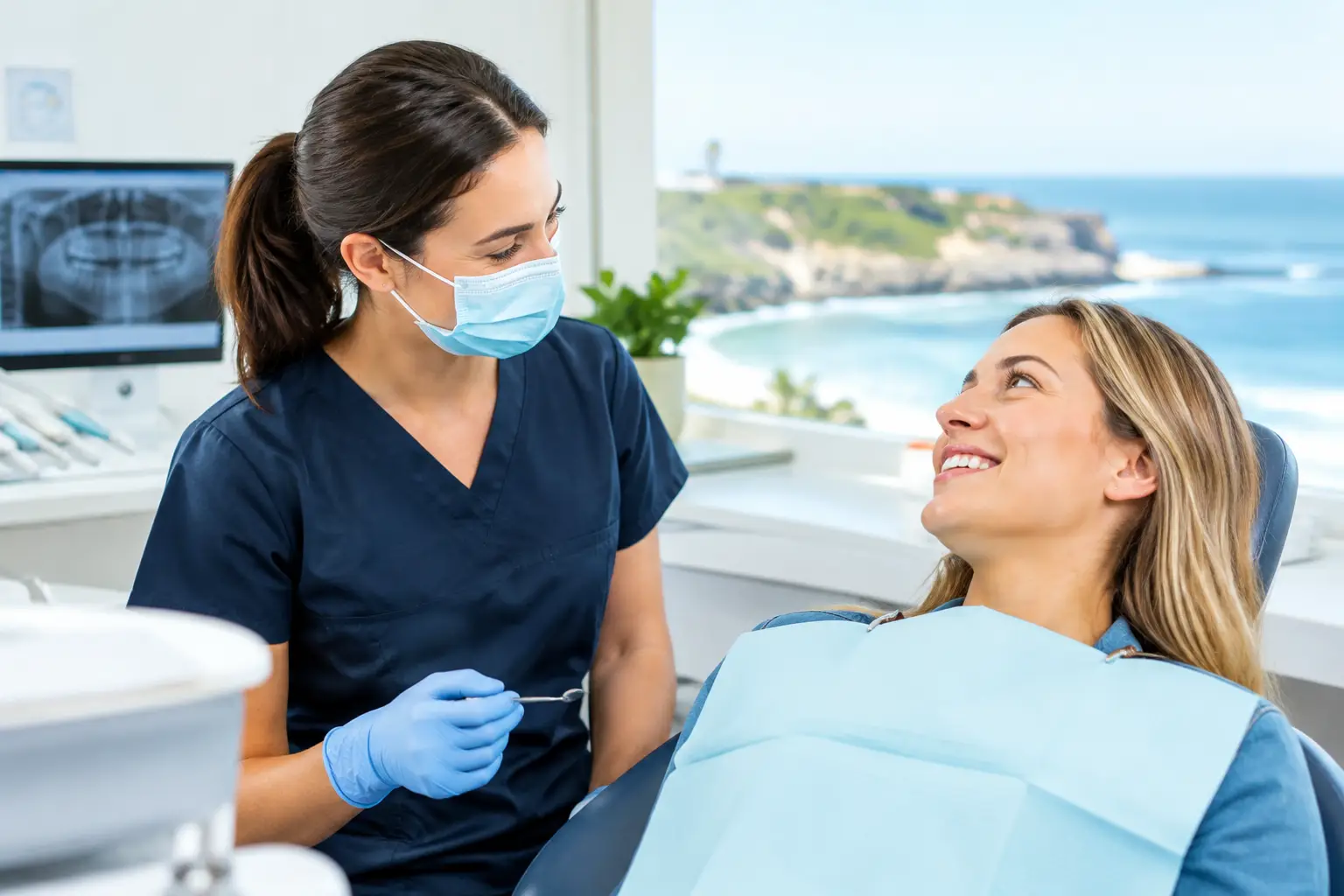
How to Find the Best Northern Beaches Dentist
A chipped front tooth before a big event, a child who is nervous about their first filling, or a missing tooth that is making meals harder than they should be - these are not problems to put off. Finding the best Northern Beaches dentist is about more than choosing the closest practice. It is about choosing a team that can make everyday care feel comfortable while having the clinical skill and technology to manage more complex treatment when you need it.
For families and professionals around Dee Why, Manly, Collaroy and Narrabeen, the right dentist should offer clear advice, careful treatment and a practical plan that suits your goals. Whether you want to protect your natural teeth, improve your smile or replace a missing tooth, the details of the practice matter.
What the Best Northern Beaches Dentist Should Offer
A strong dental practice starts with excellent general care. Regular examinations, professional cleans, digital imaging, fillings and gum care are the foundation of a healthy smile. They also give your dentist the chance to spot small changes before they become painful, expensive or difficult to treat.
But capability matters when your needs change. A clinic that provides restorative, cosmetic, orthodontic and implant dentistry can plan treatment with the whole picture in mind. Rather than being sent from one practice to another for every stage of care, you can have one experienced team overseeing your oral health, tooth function and smile goals.
This does not mean every patient needs advanced treatment. Often, the best option is the most conservative one: a small filling instead of a large restoration, monitoring a stable tooth rather than treating it prematurely, or improving daily cleaning habits before considering cosmetic work. Good dentistry is never about recommending the biggest procedure. It is about recommending the right one.
Experience should be visible in the consultation
The consultation is where quality becomes clear. A dentist should take time to understand what has brought you in, whether that is sensitivity, appearance, difficulty chewing, jaw discomfort or a long gap since your last visit. They should examine more than the tooth you can see in the mirror, looking at gums, bite, old restorations and signs of wear.
Expect a clear explanation of your options, including what may happen if you wait. For treatment such as crowns, dental implants or orthodontics, you should understand the sequence of care, likely timeframes, maintenance needs and the costs involved before deciding. Dentistry is personal, so a plan should never feel copied and pasted.
Comfort Is Part of Clinical Care
Dental anxiety is common, even among people who attend regularly. For some, the sound of a drill or the thought of an injection is enough to delay treatment for years. That delay can turn a manageable issue into a more involved one.
The best practices take comfort seriously from the first conversation. This includes a calm approach, gentle technique, clear communication and modern tools designed to reduce discomfort where appropriate. Technology such as dental lasers may allow selected soft-tissue and restorative procedures to be performed with less vibration, less heat and, in some cases, reduced need for local anaesthetic.
Laser dentistry is not a replacement for every traditional treatment, and an ethical dentist will explain when it is suitable and when another approach is better. The value is in having more options. For the right procedure and patient, minimally invasive techniques can make treatment feel far more manageable.
At Master Dental in Dee Why, advanced options such as the Lightwalker Fotona dental laser and ozone water antimicrobial treatment support a patient-first approach to comfort, conservative care and modern infection control. These technologies are useful because they support precise treatment, not because technology should ever be used for its own sake.
Look for Technology That Improves Decisions
Modern dentistry is not simply about having impressive equipment. It is about using tools that help your dentist diagnose accurately, plan carefully and deliver predictable results.
Digital X-rays can reveal decay between teeth, infections around roots and changes below the gumline that cannot be seen in a visual examination. Intraoral scans can create detailed digital models without the discomfort of traditional impression materials. For crowns and other restorations, CEREC technology can assist with efficient, highly precise ceramic restorations in suitable cases.
These tools should make your appointment clearer, not more confusing. Your dentist should be able to show you what they are seeing, explain why it matters and help you make an informed decision. If a problem is urgent, they should tell you plainly. If it can be monitored safely, they should say that too.
Ask how a practice approaches prevention
The most valuable dental work is often the work you never need. Prevention is not limited to a scale and clean. It includes checking for gum inflammation, discussing erosion from acidic drinks, identifying clenching and grinding, reviewing worn fillings, and helping children develop reliable brushing habits.
For busy households, convenience helps prevention become routine. Being able to arrange family appointments, access general and advanced care in one location, and receive treatment plans that respect your time can remove many of the reasons people postpone care.
Cosmetic Dentistry Needs a Conservative Eye
A brighter, straighter smile can make a meaningful difference to confidence, but cosmetic treatment should protect tooth structure and function. The right approach depends on your starting point, facial features, bite, enamel condition and what you want to change.
For mild crowding or spacing, clear aligners or Fastbraces may be appropriate options. They can improve tooth position without the appearance of conventional brackets, although treatment times and suitability vary. Complex bite concerns may need a different orthodontic approach, particularly where jaw position or significant tooth movement is involved.
If discolouration is the main concern, whitening may be enough. If teeth are chipped, heavily worn or have large old fillings, composite bonding, veneers or crowns may be discussed. Each option involves a trade-off. Whitening is conservative but will not change tooth shape. Veneers can create a significant aesthetic change but require careful planning. Crowns may protect compromised teeth but are not usually the first answer for a healthy tooth.
A dentist focused on long-term outcomes will help you choose a treatment that looks natural and remains practical to maintain.
Replacing Missing Teeth Requires Proper Planning
A missing tooth affects more than appearance. It can change how you chew, allow nearby teeth to drift and place extra pressure on the remaining teeth. Dentures, bridges and dental implants can all be excellent solutions, depending on your oral health, bone support, budget and preferences.
Dental implants are designed to replace the root of a missing tooth and support a crown, bridge or stabilised denture. They can feel secure and closely resemble natural teeth, but they require careful assessment and a commitment to good home care. Treatment can also take several months because healing is part of the process.
A bridge may be a sensible choice when neighbouring teeth already need crowns or when an implant is not ideal. Modern dentures can also be an effective and affordable option for replacing several teeth. The best choice is not the most advertised choice. It is the one that supports your health, function and confidence over time.
Questions Worth Asking Before You Book
Before choosing a dental practice, ask whether the team provides the treatment you may need now and in the future, how they manage nervous patients, and how they explain fees and treatment stages. Ask what technology they use for diagnosis and whether they prioritise preserving healthy tooth structure.
It is also reasonable to ask who will carry out your treatment and what experience they have with procedures such as implants, orthodontics or complex restorations. You are not being difficult by asking. You are making a considered decision about your health.
A high-quality practice will welcome these questions. You should leave the consultation knowing what is happening in your mouth, what your options are and what the next step would involve.
The best dental care feels reassuring because it is thorough, not rushed. If something has been bothering you, arranging an assessment now can give you clarity and a practical path forward before a small concern becomes an urgent one.