


Best Ways to Replace Molars for Lasting Comfort
- 6 days ago
- 5 min read
A missing molar can change more than your smile. These back teeth do the heavy work of chewing, help keep nearby teeth in position and support a balanced bite. The best ways to replace molars depend on how many teeth are missing, the health of the surrounding teeth and gums, your bone volume, and how you want the result to feel and function over time.
For patients who have lost a molar through decay, fracture, gum disease or a failed old restoration, the right solution is rarely the cheapest option alone. It is the option that protects your remaining teeth while fitting your health, comfort and budget. A detailed examination, including digital imaging where needed, is the safest place to start.
Why replacing a back tooth deserves attention
A gap at the back of the mouth may be out of sight, but it should not be out of mind. Without a molar to bite against, the opposing tooth can gradually over-erupt. Teeth beside the space may tilt towards it, creating food traps that are harder to clean. Over time, this can affect bite comfort, gum health and the way force is distributed across the rest of your teeth.
Some people cope well with one missing second molar, particularly if their other teeth and bite are stable. A missing first molar is usually more significant because it carries a major share of chewing pressure. Rather than assuming every gap needs the same treatment, your dentist should assess the whole bite and explain what is likely to happen if the space is left untreated.
Best ways to replace molars: the main options
Dental implants: the closest match to a natural tooth
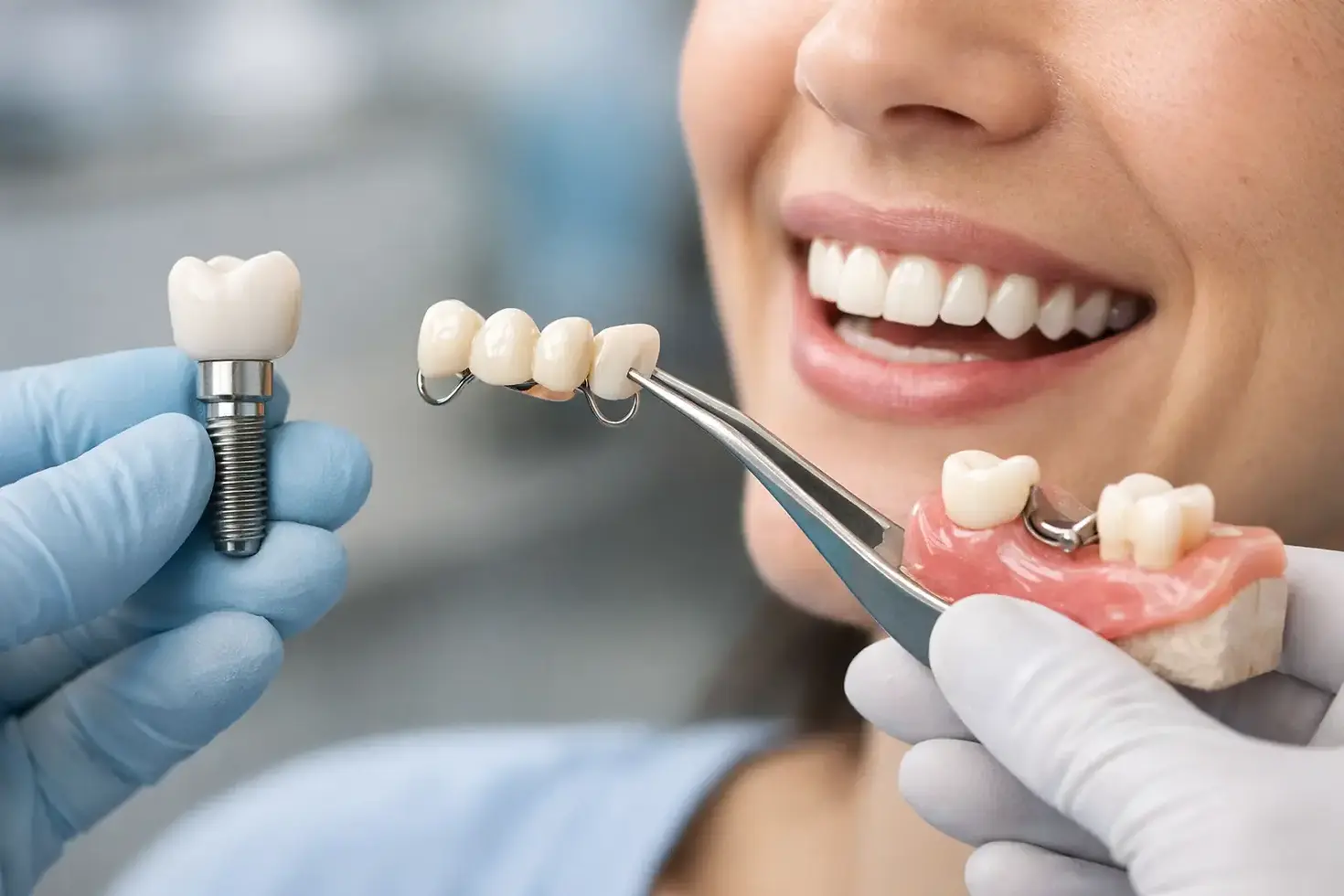
A dental implant replaces the tooth root with a small titanium fixture placed in the jawbone. Once it has integrated with the bone, a custom crown is attached. This creates a fixed tooth replacement that does not rely on the teeth next to the gap.
For many suitable patients, an implant is the strongest long-term option for a single missing molar. It looks natural, feels secure and provides effective chewing strength. Just as importantly, it helps stimulate the bone in the area, reducing the bone shrinkage that can occur after tooth loss.
Implant treatment takes planning and patience. Healing times vary, and some patients need bone grafting before an implant can be placed. Treatment costs in Sydney can vary substantially according to complexity, but a single implant with its final crown commonly sits in the several-thousand-dollar range, often around $5,000 to $8,000 or more where grafting or additional procedures are required.
An implant is not automatically right for everyone. Active gum disease needs to be stabilised first, smoking can affect healing, and medical conditions or medications may influence the treatment plan. A careful assessment is essential, not optional.
Fixed dental bridges: a dependable non-surgical choice
A traditional dental bridge fills the gap by attaching a replacement tooth to crowns placed on the teeth beside it. It is fixed in place, so it does not come out for cleaning, and it can restore chewing function relatively quickly once the supporting teeth are ready.
A bridge can be an excellent solution when the adjacent teeth already have large fillings, cracks or existing crowns and would benefit from protection anyway. It can also suit patients who are not ideal candidates for implant surgery or who prefer to avoid a surgical procedure.
The trade-off is that a conventional bridge requires reshaping the teeth on either side of the space. Those supporting teeth must also remain healthy for the bridge to last well. Cleaning underneath the replacement tooth requires a little extra care, usually with floss threaders or specialised interdental brushes.
A three-unit bridge to replace one molar can range from roughly $4,000 to $7,000 or more, depending on the material, design and clinical requirements. High-quality ceramic restorations can provide excellent aesthetics and strength, especially when they are designed around a stable bite.
Removable partial dentures: practical for several missing teeth
A removable partial denture can replace one or more missing molars on a custom-made appliance. It is generally the most economical tooth-replacement option and can be particularly useful when several teeth are absent or when a fixed solution is not currently suitable.
Modern partial dentures can be lighter and more natural-looking than many people expect. However, they do have limitations. They are removed at night for cleaning, can feel less secure than fixed options, and may need adjustment as the shape of the gums and jaw changes. They do not prevent bone loss in the same way an implant does.
Costs vary with the number of teeth being replaced and the denture material. A partial denture may begin from around $1,500, with more complex designs costing more. It can also be a sensible interim option while planning implants or waiting for healing after an extraction.
Implant-supported bridges or dentures: when more than one molar is missing
When several back teeth are missing in a row, individual implants are not always necessary. Two or more implants may support a fixed bridge, replacing multiple teeth without placing an implant for every space. For patients missing most or all teeth, strategically placed implants can also secure a full denture so it is far more stable during eating and speaking.
This approach can offer a major improvement in confidence and function, but it requires detailed planning. Bone levels, sinus position in the upper jaw, bite forces and the condition of any remaining teeth all matter. The best design is the one that provides reliable support without overtreating the mouth.
How to choose the right molar replacement
The decision comes down to clinical suitability first, then lifestyle and value. An implant may offer the most tooth-like result for a healthy single-tooth gap, but it involves surgery, healing time and a higher upfront investment. A bridge is fixed and effective, but asks more of neighbouring teeth. A partial denture is accessible and versatile, though it is removable and generally less stable.
Your dentist should examine the gum tissues, take appropriate X-rays or 3D imaging, check how your upper and lower teeth meet, and discuss your expectations. If you grind or clench your teeth, for example, the restoration needs to be designed for those higher forces. A night guard may be recommended to protect an implant crown, bridge or your natural teeth.
Comfort also matters. Dental anxiety should never force you to postpone treatment until a small problem becomes more complex. At Master Dental in Dee Why, treatment planning can incorporate modern imaging, gentle techniques and comfort-focused care so patients understand each stage before proceeding.
Looking after your replacement tooth
A replacement molar still needs daily care. Implants cannot decay, but the gums and bone around them can develop inflammation if plaque is allowed to build up. Bridges need careful cleaning around the supporting teeth and beneath the false tooth. Dentures need to be removed, cleaned and stored correctly each day.
Regular dental reviews help detect loose crowns, wear, cracks, gum inflammation and bite changes early. This is especially valuable for back teeth, where problems can progress quietly before they become painful.
If you have a missing molar, the most useful next step is a tailored assessment rather than choosing from a price list. A well-planned replacement can make eating easier, protect your bite and give you the confidence that your smile is built to last.