


How Laser Dentistry Reduces Anxiety at the Dentist
- 5 days ago
- 5 min read
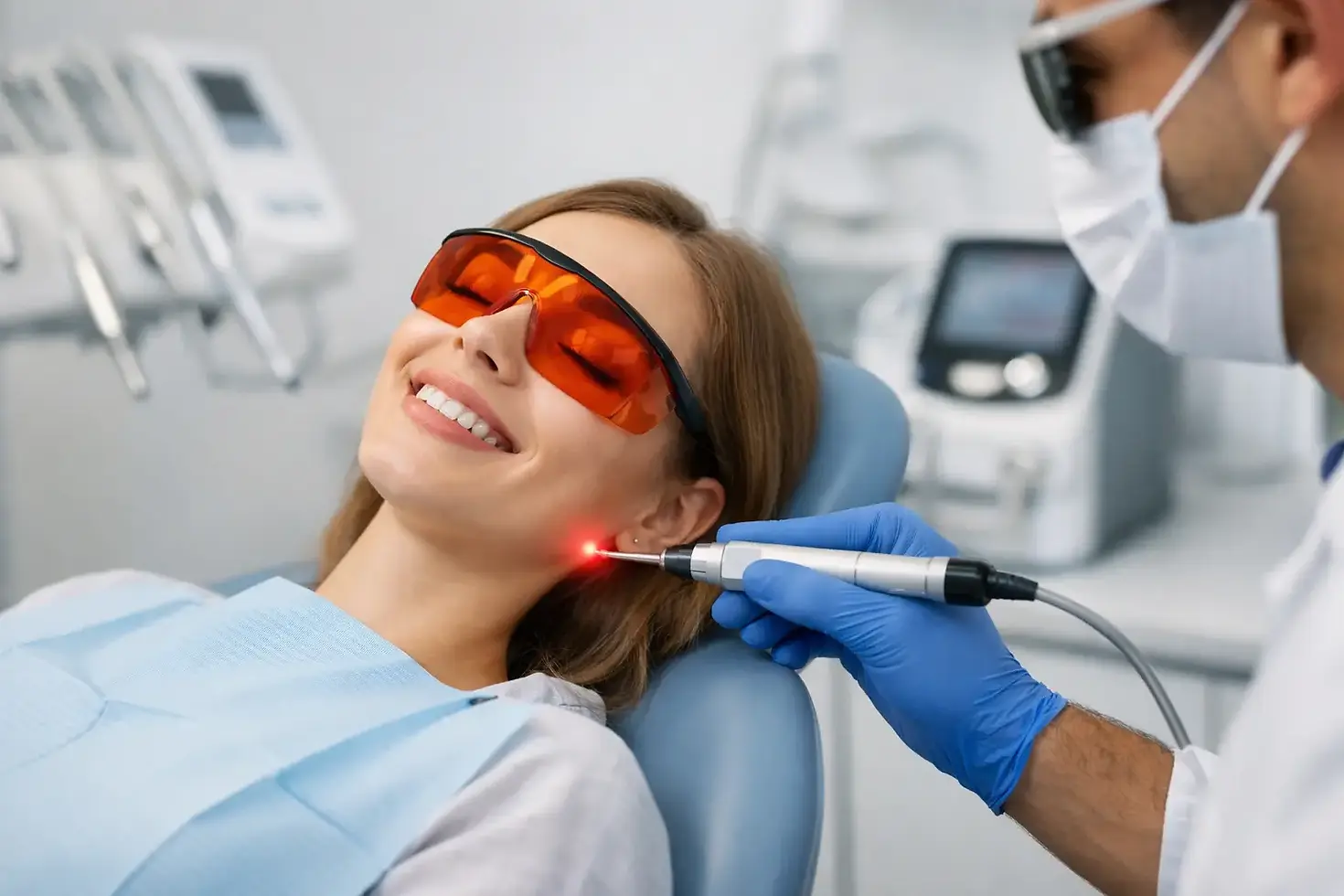
The sound of a drill, the thought of an injection, or simply not knowing what will happen next can make a dental appointment feel far bigger than it is. Understanding how laser dentistry reduces anxiety starts with recognising that fear is often tied to sensations: noise, vibration, pressure, loss of control and concern about pain. Dental lasers can change several of those sensations at once, helping many patients experience treatment as calmer, quieter and less invasive.
For anxious patients, this is not about pretending dentistry is effortless. It is about choosing technology and techniques that reduce unnecessary discomfort while keeping treatment precise. At Master Dental in Dee Why, laser treatment is part of a comfort-focused approach to modern dentistry, alongside clear communication and careful clinical planning.
How laser dentistry reduces anxiety during treatment
A dental laser uses concentrated light energy to treat selected areas of the mouth. Depending on the laser and procedure, it can remove or reshape tissue, manage bacteria, assist with gum treatment and support restorative dentistry. The LightWalker Fotona dental laser is designed for a range of hard- and soft-tissue applications.
Unlike a conventional drill, laser treatment often creates less vibration and may produce little or no high-pitched drilling sound. For someone who has spent years tensing at that familiar noise, this difference can be immediate. The treatment room feels less confronting, and the patient has fewer sensory triggers competing for their attention.
Laser procedures can also be highly targeted. Instead of affecting more tissue than necessary, the clinician can focus energy precisely where it is needed. That conservative approach may mean less irritation to surrounding tissue and a more comfortable recovery for suitable treatments.
Fewer needles can mean less fear
Needle anxiety is common, even among people who otherwise cope well at the dentist. For certain minor procedures, laser dentistry may reduce the need for local anaesthetic or require less anaesthetic than conventional methods. This is particularly valuable for patients who delay appointments because they are worried about injections.
It is not a promise that every laser procedure will be needle-free. Deeper decay, complex restorative work, surgical treatment and individual pain sensitivity can still make local anaesthetic the right choice. A good dental team will never push a patient through treatment without adequate comfort measures. The advantage is that, where clinically appropriate, laser technology gives the dentist more options.
Less bleeding and swelling for gum procedures
Gum treatment can cause anxiety because patients imagine bleeding, stitches or a difficult recovery. Lasers can seal small blood vessels as they work, which may reduce bleeding during selected soft-tissue procedures. They can also help limit swelling and support healing.
That matters beyond the appointment itself. Many anxious patients worry about how they will feel later that day, whether they can speak comfortably at work, or whether the treatment will disrupt family plans. A procedure with less post-treatment discomfort can feel more manageable before it even begins.
Greater control helps patients stay calm
Anxiety rises when a person feels trapped or surprised. Laser dentistry supports a more controlled style of treatment, but the dentist's communication remains just as important. Before starting, patients should understand what is being treated, what they may feel, how long it is likely to take and how they can signal for a pause.
With laser treatment, patients may notice warmth, a gentle tapping sensation or a faint smell rather than the strong vibration associated with drilling. Explaining this in advance prevents normal sensations from being mistaken for something alarming. For nervous adults and children alike, predictability is reassuring.
Why a quieter appointment can make a real difference
The dental drill is not just a sound. For many people, it is connected to an old memory of discomfort or an appointment where they felt rushed. Even when modern conventional dentistry is performed gently, that association can trigger a physical stress response: shallow breathing, clenched hands and a racing heart.
Laser dentistry does not erase past experiences, but it can offer a distinctly different one. Reduced noise and vibration may help patients stay present rather than anticipating the next unpleasant sensation. This can be especially helpful for people returning to the dentist after years away, as well as busy professionals who need treatment without carrying appointment anxiety through the rest of the day.
For parents, a calmer experience can also shape how children view dental care. When young patients see that dentistry can be explained clearly and performed gently, they are more likely to build confidence with routine visits over time.
Which dental treatments may use a laser?
Laser suitability depends on the condition being treated, the location of the tooth or gum issue, and the clinical outcome required. In general dentistry, lasers may be used to assist with early decay management, selected fillings, gum contouring, periodontal care, treatment of mouth ulcers and management of bacteria in certain areas.
They can also play a role in cosmetic and restorative planning. For example, precise gum reshaping may improve the balance of a smile before veneers or crowns. In implant and periodontal care, laser technology may assist with soft-tissue management and hygiene protocols where appropriate.
However, a laser is not automatically the best tool for every procedure. Some fillings, crowns, bridges, wisdom tooth treatment and complex surgical cases may require conventional instruments, local anaesthetic or a combination of techniques. The best result comes from choosing the method that protects tooth structure, supports long-term health and keeps the patient comfortable - not from using technology for its own sake.
Comfort is more than the equipment
Advanced equipment can make a meaningful difference, but anxious patients also need a practice that listens. The first conversation should be judgement-free. Whether you have avoided dental care for months or many years, the focus should be on where you are now and what will help you move forward.
Tell your dentist if you are worried about needles, gagging, drilling sounds, pain, feeling out of control or being embarrassed about your teeth. This information allows the team to plan appointments thoughtfully. A shorter initial visit, regular check-ins, a stop signal and straightforward explanations can all reduce the pressure.
It also helps to start with the smallest necessary step. A consultation, examination or professional clean can rebuild confidence before moving on to more involved treatment. When decay, gum disease or broken teeth need attention, early care is usually simpler than waiting until pain forces an urgent appointment.
What to expect at a laser dentistry consultation
A proper consultation begins with an examination and discussion of your concerns. Your dentist will assess your teeth, gums and any relevant X-rays, then explain whether a laser could be useful for your treatment. You should receive a clear outline of the expected process, including whether anaesthetic may be needed, what recovery could involve and any alternatives worth considering.
For patients in Dee Why, Manly, Collaroy, Narrabeen and across the Northern Beaches, having general, cosmetic and restorative care available in one clinic can reduce the stress of being sent between multiple providers. It also allows your treatment plan to be considered as a whole, whether you need a simple filling, gum care, a crown, alignment treatment or implant planning.
The aim is not merely to get through an appointment. It is to help you feel capable of maintaining your dental health without fear setting the schedule. If anxiety has kept you from booking, a conversation about laser options and comfort-focused care can be a practical first step toward a calmer experience.