


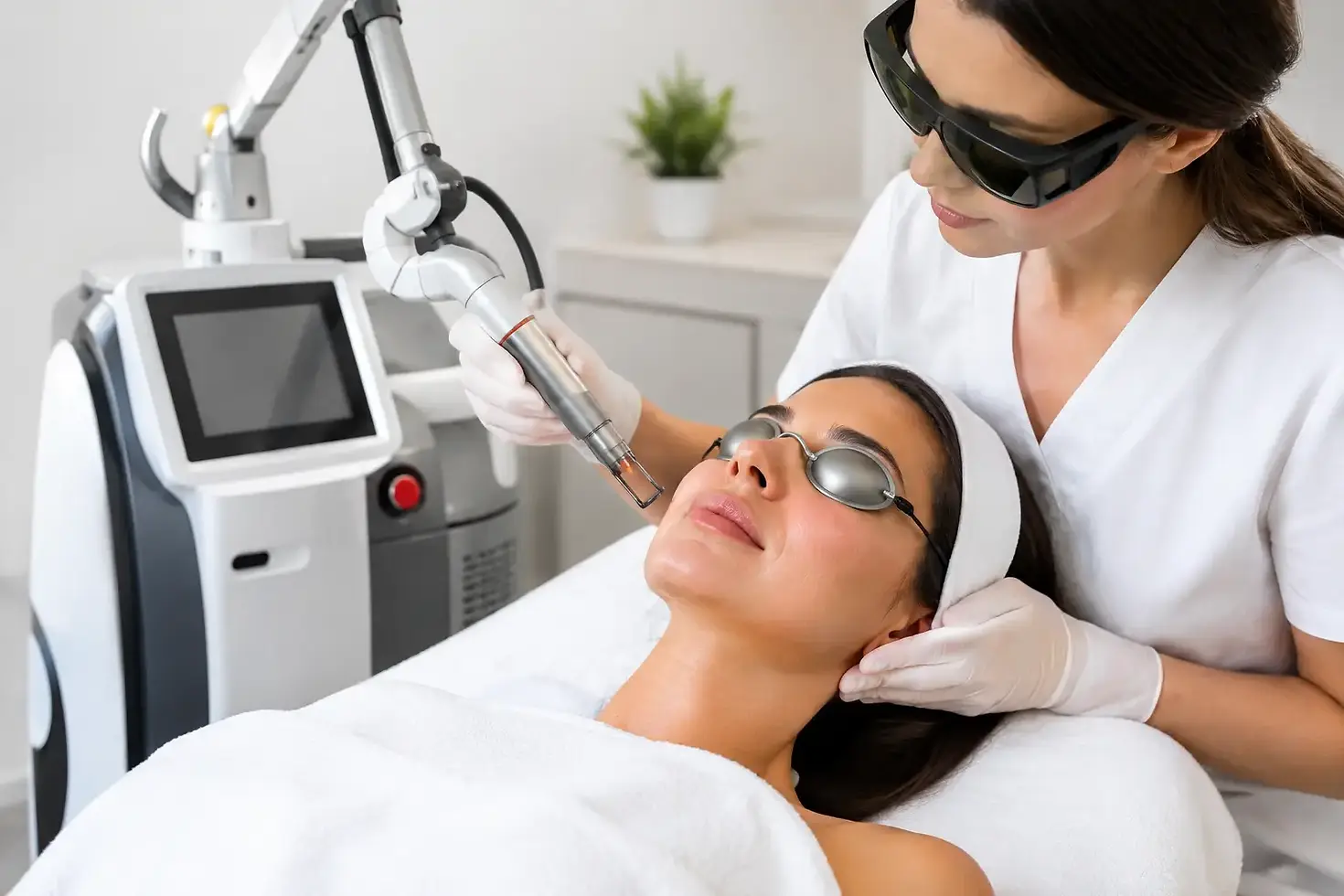
Fotona Laser Treatment Review: Worth It?
A dental appointment does not have to mean the sound of a drill, a needle, or a long recovery. That is the appeal behind a Fotona laser treatment review: patients want to know whether laser dentistry genuinely makes treatment more comfortable, or whether it is simply clever marketing. The answer is encouraging, with an important qualification. A Fotona dental laser can be an excellent option for selected treatments, but it is not a replacement for every conventional dental instrument.
At Master Dental, we use advanced dental technology because comfort, precision and conservative care matter. For patients across Dee Why and the Northern Beaches who are anxious about dental treatment, or who simply want a more comfortable experience, a laser consultation can be a valuable place to start.
What is a Fotona dental laser?
Fotona is a long-established laser technology manufacturer. In dentistry, the LightWalker Fotona system uses different laser wavelengths to treat both soft tissue, such as gums, and hard tissue, such as tooth structure. This flexibility is what separates it from lasers designed for only one task.
Rather than cutting with a metal blade or removing tooth material solely with a drill, the laser delivers controlled energy to the treatment area. Depending on the procedure, it may remove decay, reshape gum tissue, reduce bacteria, support healing or manage inflammation.
For patients, the practical benefit is that some procedures can involve less vibration, less bleeding and, in suitable cases, less need for local anaesthetic. It is a precise tool, not magic. The result still depends on a proper diagnosis, the clinician’s training and choosing the right treatment for the individual tooth and gums.
Fotona laser treatment review: where it can help
The best way to assess laser dentistry is not to ask whether it is better than every traditional technique. It is to ask whether it is better for the treatment you need.
Managing decay and small fillings
For selected cavities, a Fotona laser can remove decayed tooth material and prepare the tooth for a filling. Many patients find the absence of drill vibration far more comfortable. In some cases, particularly for smaller areas of decay, treatment may be completed without an injection.
That said, deep decay, a large old filling, or a cavity close to the nerve may still require local anaesthetic and conventional instruments. A laser does not make a complex tooth simple, and a careful dentist will not promise needle-free treatment before examining the tooth.
Gum contouring and cosmetic gum reshaping
An uneven gumline can make otherwise healthy teeth appear short or asymmetrical. Laser gum contouring enables careful reshaping with excellent visibility, because the laser can control bleeding as it works. This can be helpful when refining the gumline around front teeth as part of a cosmetic plan.
Recovery is often straightforward. Tenderness is possible for a few days, and patients need to follow cleaning and dietary advice, but there are usually no sutures for minor reshaping. The final cosmetic result also relies on stable gum health, tooth proportions and realistic planning - not just the device used.
Treating inflamed gums and reducing bacteria
Gum disease is driven by bacterial plaque and the body’s inflammatory response. Professional cleaning remains the foundation of treatment, because calculus deposits need to be physically removed. A dental laser may be used as an adjunct in appropriate periodontal care to decontaminate areas of infection and support soft-tissue management.
It should not be presented as a substitute for daily brushing, interdental cleaning and regular maintenance visits. Patients with advanced gum disease may also require more extensive periodontal treatment. The value of laser use is in a tailored clinical plan, not a one-size-fits-all promise.
Frenectomy and other soft-tissue procedures
A restrictive frenum can affect tongue movement, lip movement, speech or orthodontic treatment planning. Fotona laser techniques can be used for frenectomies and selected soft-tissue procedures with precise tissue control and minimal bleeding.
This is especially appealing for patients who are concerned about scalpels or stitches. Suitability depends on anatomy, age, function and the reason for treatment. A thorough assessment is essential before recommending any procedure.
What does a Fotona laser treatment feel like?
Patients often describe laser treatment as quieter and less confronting than conventional drilling. Instead of strong pressure and vibration, you may notice a soft tapping sensation, warmth, or a distinct sound as the laser is used. Protective eyewear is worn throughout the procedure.
Comfort is one of the strongest reasons to consider a Fotona laser, but it is not a guarantee that every appointment will be sensation-free. Teeth with deep decay can be sensitive regardless of the instrument used. Gum treatment can cause temporary tenderness. If anaesthetic is clinically necessary, using it is a sensible decision, not a failure of the technology.
For anxious patients, the advantage is often control. A modern laser approach can make treatment feel less invasive and may allow the dentist to work conservatively. You can also agree on breaks and communicate clearly throughout the visit.
Recovery, healing and aftercare
Recovery varies according to the treatment. After a small laser filling, many patients return to normal activities immediately. Following gum contouring, frenectomy or periodontal treatment, it is common to experience mild sensitivity or tenderness for several days.
Your dentist may recommend softer foods, gentle brushing around the area and avoiding irritants while tissues heal. Do not smoke or disturb the treated site, as this can delay healing. If pain increases rather than improves, swelling becomes significant, or you have concerns about bleeding, contact your dental practice promptly.
Laser dentistry may support efficient healing because it is precise and can minimise trauma to surrounding tissue. However, personal factors still matter. Existing inflammation, gum disease, medical history, oral hygiene and the extent of treatment all influence recovery.
Are there drawbacks to Fotona laser dentistry?
A credible review should include the limitations. Laser treatment is highly technique-sensitive, so clinician experience matters. It may take longer than conventional methods for certain procedures, and it is not always suitable for removing large metal restorations or managing every type of cavity.
There can also be a cost difference. Laser equipment is sophisticated and requires ongoing training and maintenance, so fees may be higher for procedures where the technology adds clear clinical value. In Australia, treatment fees should be quoted in AUD after an examination, as the cost depends on the area being treated, the complexity of the procedure and whether other work is required.
The most cost-effective choice is not automatically the lowest initial fee. If laser treatment helps make a procedure more comfortable, conservative or predictable for your particular needs, it may be worthwhile. If a conventional approach will deliver the same result more efficiently, a good dentist should explain that too.
Who is a good candidate?
Laser dentistry can suit children, adults with dental anxiety and patients seeking conservative cosmetic or gum treatment. It can also be useful for people who dislike drill vibration or want to explore options that may reduce the need for injections in minor procedures.
The right candidate is determined by the condition being treated, not by age or anxiety alone. A clinical examination, appropriate X-rays where needed and a discussion of your goals are the only reliable way to decide. Teeth with extensive damage may need a crown, root canal treatment or another restorative solution rather than laser-only care.
A worthwhile Fotona laser treatment review comes down to this: the technology is genuinely useful when it is used for the right indication by an experienced dental team. If comfort has kept you from dealing with a cavity, inflamed gums or a cosmetic concern, ask whether a laser-assisted approach could make the next step feel more manageable.